The Real Cost of Marine Corrosion
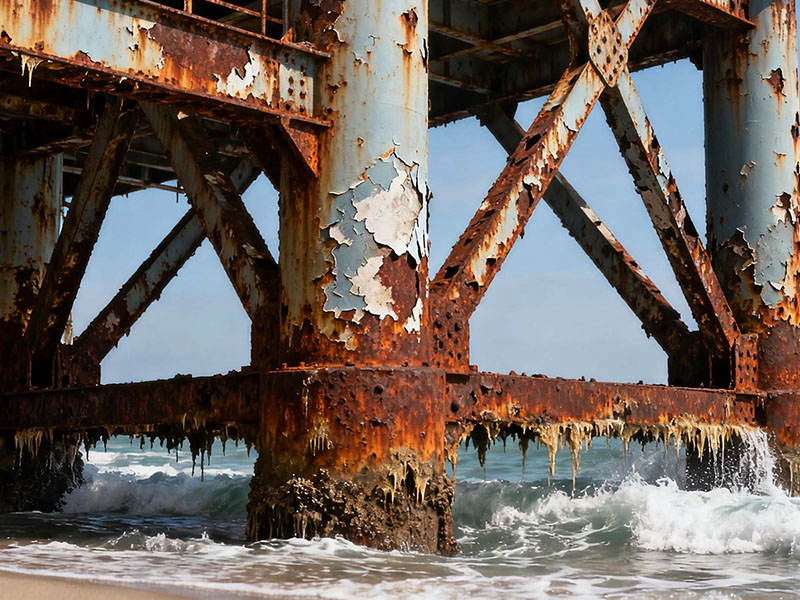
In offshore engineering—including oil platforms, marine wind foundations, and port infrastructures—steel structures operate under the most punitive corrosive environment classified by ISO 12944: the CX (Extreme) and Im4 (Immersed in marine water) categories. Under these conditions, a standard paint job isn’t enough. To guarantee a 25-year design life before major maintenance, the international offshore sector enforces strict compliance with standards like NORSOK M-501 and ISO 12944-6.
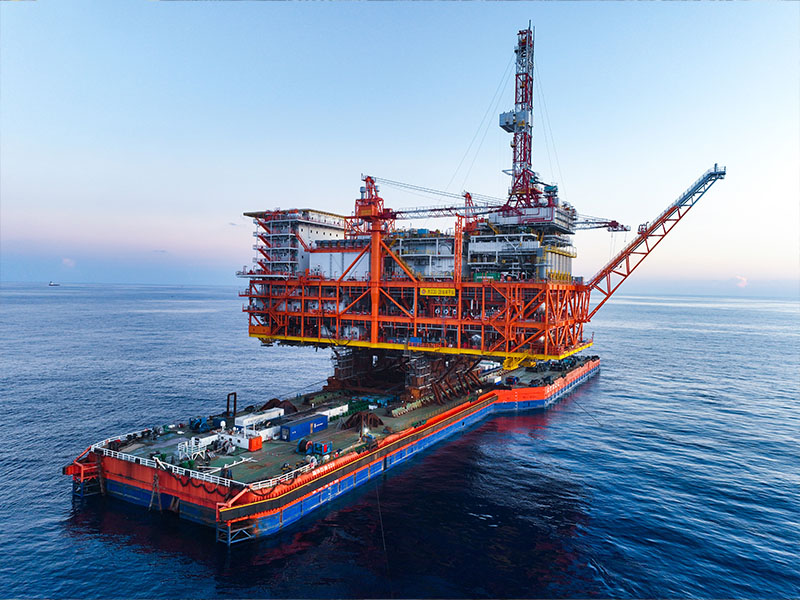
Statistical data from global coating failure investigations shows that over 70% of early coating delamination in marine environments stems directly from inadequate surface preparation, not the paint quality itself. Even the most advanced epoxy or moisture-cured polyurethane primers will fail prematurely if micro-scale contaminants are left trapped on the steel substrate.
Decoupling the Sa2.5 Standard: Cleanliness vs. Soluble Salts
To meet the high-durability threshold, the steel profile must pass through an automated blasting line to hit the strict Sa2.5 cleanliness grade according to ISO 8501-1. This standard is not just a visual metric; it requires the mechanical removal of three critical operational threats:
1. Complete Mill Scale Elimination
Mill scale (the dark iron oxide layer formed during hot rolling) behaves like a cathode against the anodic raw steel. It has a different thermal expansion rate than the base metal. When exposed to ocean temperature fluctuations and wave impact, mill scale hairline fractures and pops off, taking the premium marine coating with it. An automated Roller Conveyor Shot Blasting Machine applies high-velocity kinetic energy to pulverize and strip this brittle layer completely in a single pass.
2. Micro-Cavity Cleaning and Rooting Out Rust
Manual blasting often glides over microscopic pitting, trapping micro-rust inside steel pores. Under marine humidity, this trapped rust acts as a moisture sponge, leading to under-film corrosion (osmotic blistering) that eats the steel from the inside out. Heavy-duty blast wheels direct a precisely metered abrasive mix that micro-bombards these cavities, ensuring the anchoring pocket is completely sterile and bright gray.
3. Stripping Non-Visible Soluble Salts
Marine fabrication shops often handle steel contaminated by airborne chloride salts. If primers are applied over invisible salts, they pull moisture through the semi-permeable paint film via osmosis, accelerating sub-film blistering. The continuous air-wash recycling loop in professional blasting machinery ensuring the recycled abrasive remains free of salt-laden dust, preventing the secondary contamination of the steel surface.
Why Automated Blasting Beats Manual Air Blasting
For heavy structural profiles used in marine jackets, crane ships, and bridge girders, manual air blasting rooms are highly inefficient and heavily dependent on operator fatigue.
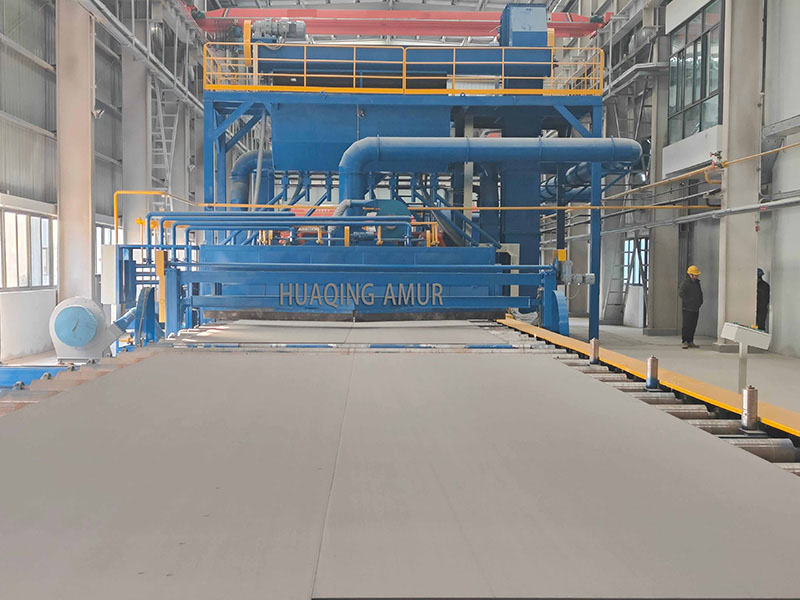
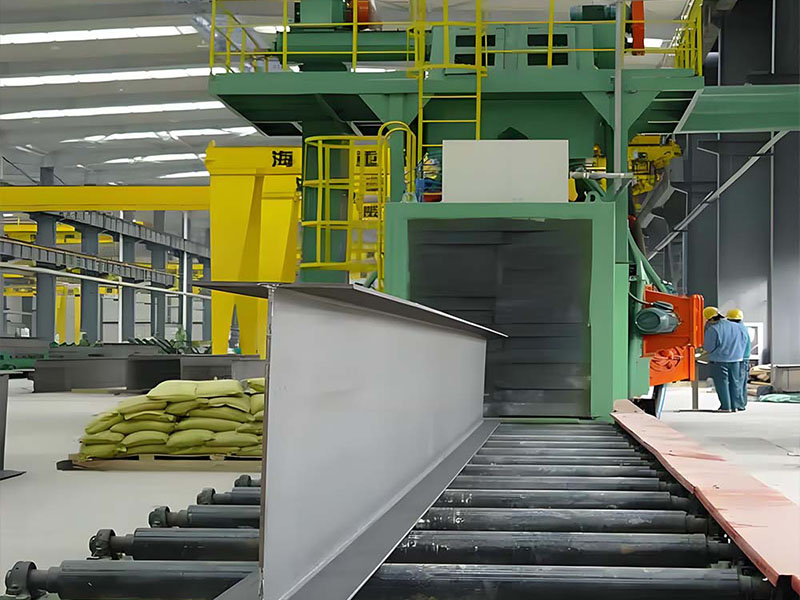
By routing materials through a heavy-duty Roller Conveyor Shot Blasting Machine or a high-capacity Continuous Monorail Hook-Through Shot Blasting Machine, the fabrication facility guarantees a uniform anchoring pattern (typically an Rz value of 40 to 75 um). This perfect mechanical tooth maximizes the active contact area for epoxy primers, delivering the interlocking adhesion performance necessary to survive 25+ years in extreme ocean climates.