The Dual Hazard of High-Temperature Scale
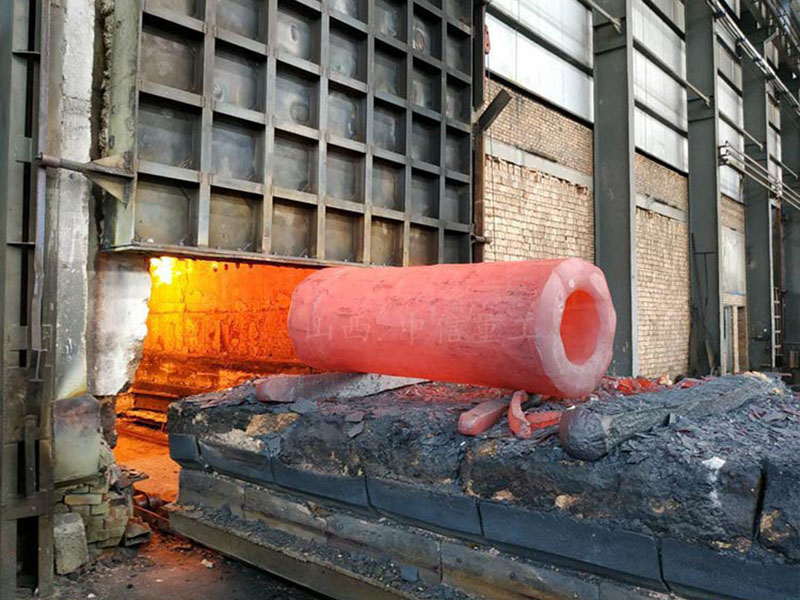
In the automotive forging industry, steel components like steering knuckles, connecting rods, and crankshafts must meet zero-defect safety standards. However, during high-temperature induction heating and hot die forging above 1000 deg C, the steel surface rapidly reacts with oxygen, forming a brittle, multi-layered iron oxide crust known as high-temperature scale (composed of wustite, magnetite, and hematite).
For quality control and production managers, leaving this scale untreated presents two severe operational hazards backed by empirical industry data:
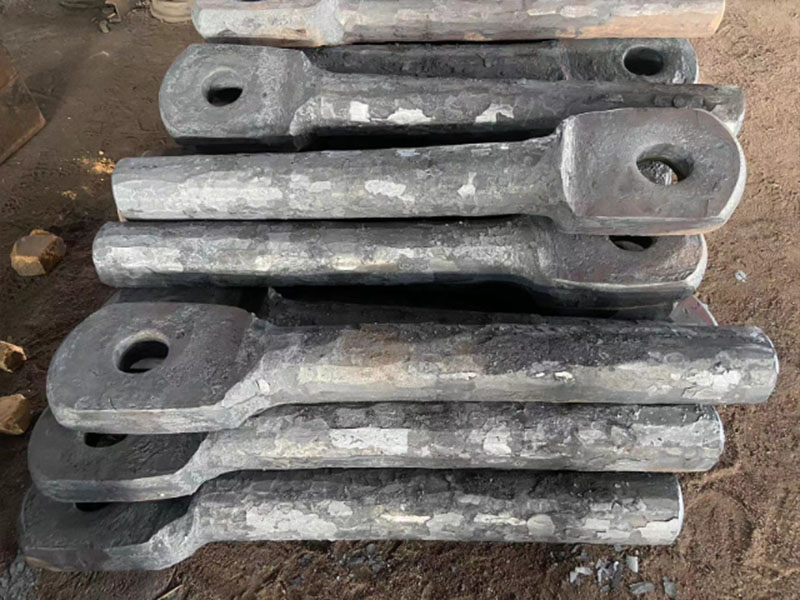
Accelerated Die Wear and Micro-Chipping (Up to 40% Lifespan Reduction): When scale-covered forgings are placed into coining, trimming, or cold-sizing dies, the hard oxide flakes detach under massive hydraulic press tonnage. While hot grey iron is malleable, the cooled iron oxide scale features a hardness of 400 to 500 HV (Vickers), which severely challenges precision forging dies made of H13 tool steel (typically rated at 55 to 60 HRC, or roughly 600 to 700 HV). Operating under extreme pressure, these detached flakes act as a powerful abrasive media, causing severe localized scoring and reducing the lifespan of expensive hot or cold-forging die tooling by up to 30% to 40%.
Masking Critical Sub-Surface Defects (Violating ASTM E1444): Safety-critical automotive components fabricated from high-strength steels (such as 40Cr or 42CrMo) must undergo strict Non-Destructive Testing (NDT), typically Magnetic Particle Inspection (MPI). A remnant layer of iron oxide scale acts as a physical and electromagnetic shield. Because the magnetic permeability of the scale layer is drastically lower than the underlying steel matrix, it causes severe flux leakage and creates “false positives” or fake magnetic indicators. This directly violates ASTM E1444 and ISO 9934 standards, which strictly mandate that surfaces must be free of scale before testing, as it masks dangerous hairline cracks and forging laps underneath, risking sudden in-field component failure.
Shot Blasting as the Definitive Technical Solution
Chemical pickling introduces high concentrations of hydrogen ions into the metallic grain boundaries, presenting a severe risk of Hydrogen Embrittlement (delayed brittle fracture) in high-strength automotive steel with a tensile strength exceeding 900 MPa. This is why automotive engineering standards like GMW3059 strictly reject acid pickling and mandate controlled high-velocity mechanical shot blasting to strip high-temperature scales cleanly.
1. Standard-Compliant Cleanliness (Sa2.5 to Sa3)
Automated blast wheels direct high-hardness steel grit at velocities exceeding 70 to 80 meters per second. This massive kinetic energy instantly pulverizes the brittle silicate and iron oxide structures. The mechanical impact cracks the scale matrix cleanly down to the base metal interface, achieving a consistent Sa2.5 or Sa3 cleanliness finish according to ISO 8501-1, generating a controlled micro-roughness profile (Rz = 40 to 75 um) perfect for post-blast automated vision inspection.
2. Unimpeded Magnetic Flux and 100 Percent MPI Accuracy
By stripping away the low-permeability oxide crust, shot blasting ensures that the magnetic flux lines pass uniformly through the automotive forging during NDT cycles. Without scale interference, the fluorescent magnetic ink flows smoothly into any genuine surface micro-cracks, ensuring 100 percent inspection reliability and eliminating unverified zones on the quality control floor.
Heavy-Duty Hardware Deployments for High-Throughput Forging
To process diverse automotive forging geometries at demanding cycle times (often operating 24/7), we utilize three standard mechanical configurations, all incorporating multi-stage air-wash separators capable of removing 99 percent of fine oxide powder from the blasting loop:
Continuous Monorail Overhead Chain Shot Blasting Machines: The elite choice for heavy, critical chassis forgings like steering knuckles and long crankshafts. Suspended on a moving closed-loop conveyor, each part rotates continuously inside the blast stream, ensuring that complex profiles are completely stripped of scale in a non-stop line flow.
Tumble Belt Shot Blasting Machines: The standard engineering solution for batch-processing mass-produced smaller forgings, such as connecting rods and gear blanks. The workpieces tumble smoothly on a continuous heavy-duty rubber belt, exposing all faces to the overhead blast wheel stream for fast, uniform scale removal with cycle times typically under 3 to 5 minutes per batch.
Hook Type Shot Blasting Machines: Ideal for medium-to-large forgings produced in flexible, mixed-model batches. Independent motorized hooks transport the parts into the chamber and rotate them programmatically, allowing quick changeovers between different automotive component batches with zero tooling setup time.
Elevating Automotive Supply Chain Quality
At HQAMUR, we design our full line of blasting machinery with premium alloy wear parts to withstand the harsh, highly abrasive environment of automotive forging shops. By embedding real-world technical data and rigorous international compliance into our engineering, we help tier-1 suppliers secure their die performance and achieve absolute quality assurance.