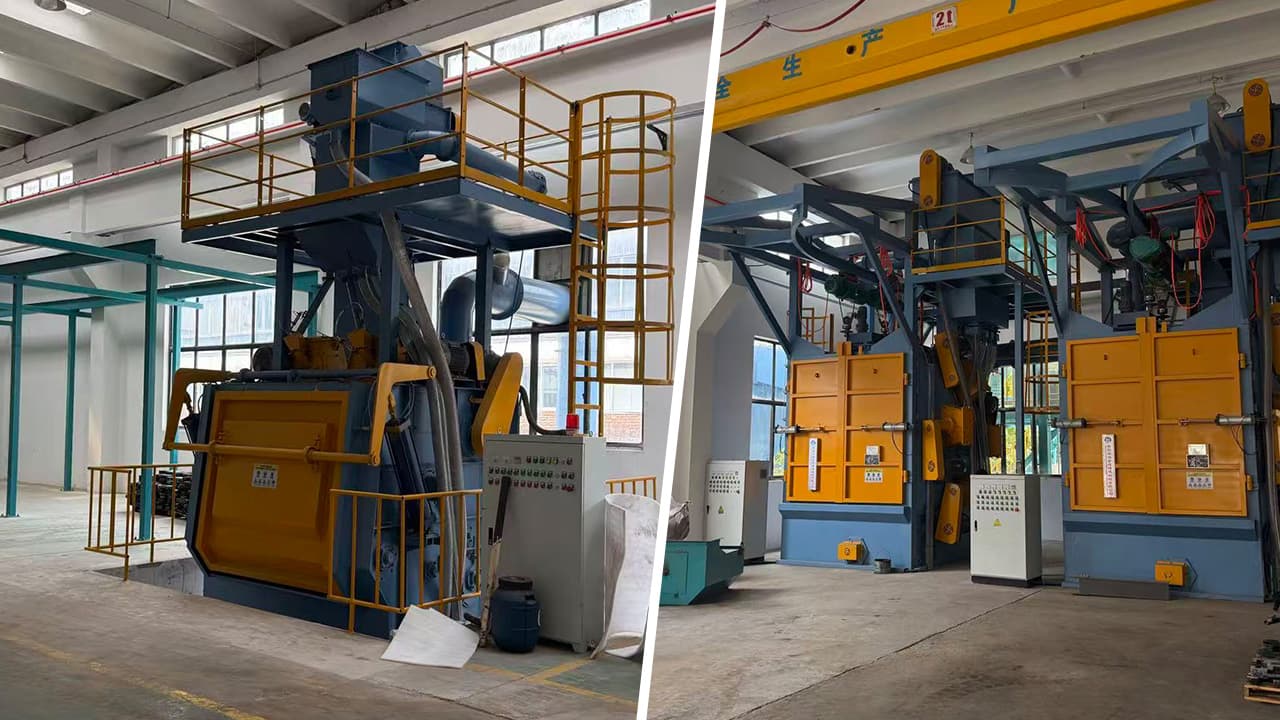
Choosing a shot blasting machine starts with understanding the workpieces, not simply comparing machine specifications. Castings, forgings, welded structures, and steel profiles may all require abrasive cleaning, but differences in size, geometry, weight, and handling characteristics can lead to very different equipment choices.
For example, small castings that can withstand repeated contact may be suitable for tumble belt blasting, while larger or more delicate components may require individual suspension. Even within the same workpiece category, differences in shape and handling requirements can make one blasting system more practical than another.
Selecting the wrong machine type can create problems that cannot be solved simply by increasing blasting time or power. Poor workpiece movement, insufficient abrasive coverage, and unsuitable handling methods can affect cleaning consistency and production efficiency.
This article explains how workpiece characteristics influence shot blasting machine selection, helping manufacturers identify a suitable equipment type before evaluating detailed technical specifications.
1. Why Workpiece Characteristics Matter
The shape and physical characteristics of a workpiece determine how it can be handled during shot blasting. Before selecting a machine, one of the most important questions is whether the component can move freely during cleaning or must remain supported in a controlled position.
Small, robust castings and forgings can often withstand repeated contact with other parts, making them suitable for tumble blasting. However, components with thin walls, delicate edges, or machined surfaces may be damaged by the same movement. These workpieces may require individual suspension or a conveying system that keeps them separated.
Geometry also affects abrasive coverage. Flat steel plates are relatively straightforward to process as they move through a blasting chamber, while components with deep recesses, internal corners, or overlapping surfaces may create areas that are difficult for the abrasive stream to reach. Even when a workpiece fits within the machine’s working dimensions, this does not necessarily mean that all required surfaces can be cleaned effectively.
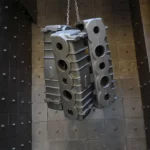
Weight and size introduce further handling considerations. A heavy casting may need a suitable hanging arrangement, while a long steel profile requires stable support throughout the conveying process. In both cases, the machine must accommodate not only the workpiece dimensions but also the way it moves and exposes its surfaces during blasting.
Ultimately, the key consideration is not simply whether a workpiece can fit inside a machine, but whether the equipment can handle it safely and provide adequate abrasive exposure throughout the cleaning process.
2. Matching Workpieces to Shot Blasting Machine Types
2.1 Small Castings and Forgings: Tumble Belt or Hook Type?
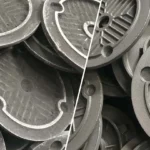
For small castings and forgings, the first consideration is whether the workpieces can tolerate continuous tumbling and contact with one another. Components with sufficient structural strength and relatively simple shapes are often suitable for <escape>tumble belt shot blasting machines</escape> or rotary drum systems, which allow multiple parts to be cleaned within a single batch.
However, size alone should not determine the choice. Thin-walled castings, components with delicate projections, or parts with finished surfaces may suffer damage during tumbling. Even relatively small workpieces can require hook type blasting if they must remain separated or need controlled positioning during cleaning.


Workpiece geometry also matters. Parts that tend to interlock, stack tightly, or restrict one another’s movement may not receive consistent abrasive exposure inside a tumble belt machine. In such cases, suspending the components individually may provide more reliable access to the required surfaces.
The practical distinction is therefore not simply small versus large components, but whether the workpieces can move freely and safely during the blasting process.
2.2 Welded Structures and Steel Profiles: Hook Type or Roller Conveyor?
Welded structures and steel profiles can vary considerably in size and geometry, making the handling method an important factor in equipment selection.
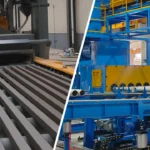
Roller conveyor shot blasting machines are generally suitable for steel plates, beams, and structural profiles that can remain stable on the conveyor throughout the cleaning process. They are particularly practical when similar components are processed repeatedly and continuous material flow is required.
Hook type machines are often a better option for irregular welded assemblies, bulky components, or workpieces that cannot be supported and transported reliably on rollers. Suspending these parts allows them to rotate during blasting, although the hanging arrangement must be designed to minimize areas shielded from abrasive impact.
For example, a straight H-beam may be well suited to a dedicated H-beam roller conveyor shot blasting machine, while a complex welded frame with projecting sections may require individual suspension. The decision should be based on how securely the workpiece can be handled and whether the selected system can expose the required surfaces to the abrasive stream.
2.3 Thin-Walled and Delicate Components: When Is Mesh Belt Blasting More Suitable?
Some components require abrasive cleaning but cannot withstand the repeated impacts associated with tumble blasting. Thin-walled parts, certain precision components, and workpieces with delicate features may need a conveying method that limits uncontrolled movement and contact between parts.
Mesh belt shot blasting machines can be suitable for these applications because workpieces are transported through the blasting chamber on a moving belt rather than being continuously tumbled together. This allows components to maintain a more controlled position during cleaning.
However, mesh belt blasting is not suitable for every delicate workpiece. The support surface can create areas of limited abrasive exposure, and lightweight or irregular components may require careful positioning to remain stable. The blasting intensity must also be appropriate for the material and geometry.
Where workpiece damage is a concern, the selection should be based on the required surface condition, acceptable handling method, and the results of representative cleaning trials rather than assuming that one machine type is automatically safe for all sensitive components.
3. When Similar Workpieces Require Different Machines
Workpieces made from the same material do not necessarily require the same shot blasting machine. Differences in geometry, handling requirements, and production conditions can lead to different equipment choices.
Consider two foundries producing cast iron components. One manufactures small, solid castings that can withstand repeated contact during cleaning. These parts may be suitable for tumble belt blasting, allowing multiple pieces to be processed in a single batch. The other produces thin-walled castings with delicate features that could be damaged by tumbling. Although both factories process cast iron, the second may need a hook type system or another handling arrangement that keeps the workpieces separated.
A similar situation occurs in steel fabrication. Straight steel beams can often be transported through a roller conveyor shot blasting machine, making continuous cleaning practical. However, a welded assembly made from similar steel sections may have projecting components, an uneven center of gravity, or insufficient support points for stable roller conveying. In this case, individual suspension or a specially designed fixture may be more suitable.
These examples illustrate why machine selection should be based on the actual workpiece rather than its material or general product category. When equipment suitability is uncertain, workpiece drawings and representative blasting trials can help verify the proposed handling and cleaning method.
4. What to Confirm Before Choosing a Shot Blasting Machine
Before making a final equipment decision, manufacturers should confirm several basic workpiece requirements:
Dimensions and weight: Maximum workpiece size, individual weight, and any special handling restrictions.
Geometry and damage sensitivity: Whether parts can tumble, require suspension, or need stable support during conveying.
Surface accessibility: Areas that must be cleaned, including recesses or surfaces that may be shielded from abrasive impact.
Production requirements: Workpiece quantities, batch sizes, and whether continuous or flexible production is preferred.
Cleaning objectives: Initial surface condition and the required result after blasting.
Providing workpiece photographs or technical drawings along with these details allows the equipment manufacturer to assess suitable handling methods and identify potential cleaning limitations before recommending a machine configuration.
Conclusion: Start with the Workpiece
The right shot blasting machine is not determined by workpiece size or material alone. How a component moves, how its surfaces are exposed to abrasive, and whether it can be handled without damage are often the deciding factors.
Tumble belt, hook type, roller conveyor, and mesh belt systems each have their own applications and limitations. Understanding these differences helps manufacturers avoid unsuitable equipment choices and identify a more practical cleaning solution.
Need Help Selecting a Shot Blasting Machine?
HQAMUR manufactures shot blasting equipment for foundries, steel fabrication, and metal-processing applications. Share your workpiece drawings, dimensions, and cleaning requirements with our team to discuss a suitable machine configuration.