- +86-13156373861
- info@hqamurblasting.com
- No. 867 Century Avenue, West Coast New Area, Qingdao,China.
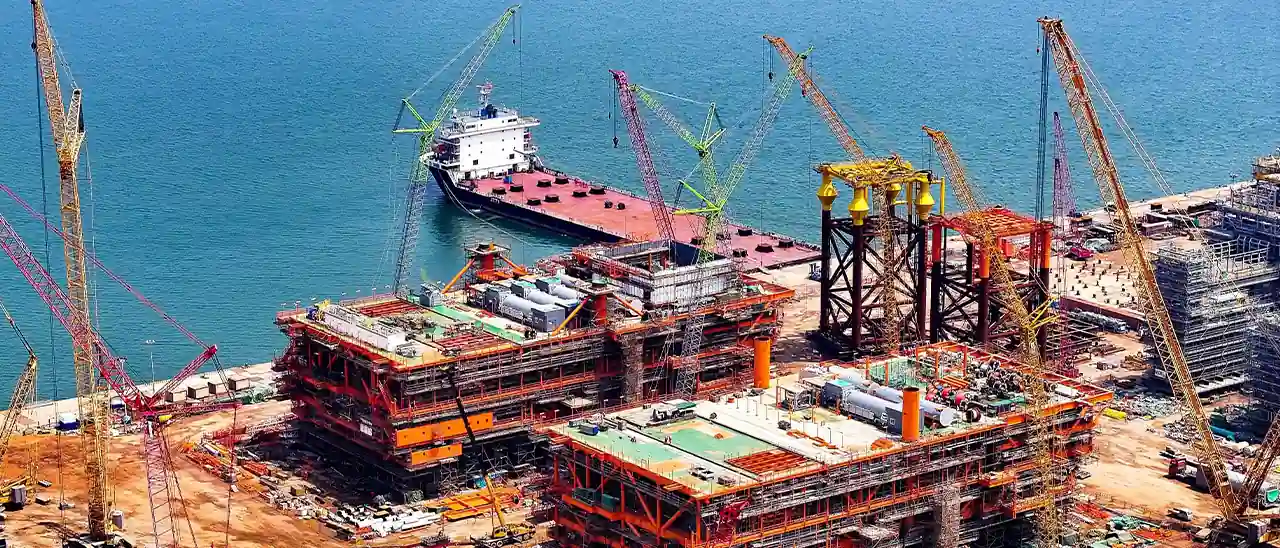
In high-precision maritime engineering, heavy structural fabrications such as massive hull plates, bulkheads, and offshore platform segments require absolute surface relief and dimensional stability during descaling to prevent macro-level warping. For heavy-duty load-bearing marine components, including keel sections, structural stiffeners, and high-tensile welds, achieving a scale-free, high-integrity surface finish is critical to eliminate cyclic fatigue failures under aggressive oceanic salt-spray environments. Residual scale or surface micro-cracks propagate into fatal fatigue fractures during high-seas transit, compromising the operational lifespan of the entire vessel. Building an automated, predictable blasting process is mandatory to streamline shipyard material handling, eliminate manual grinding rework, and enforce maritime environmental compliance, securing high-tonnage fabrication outputs.
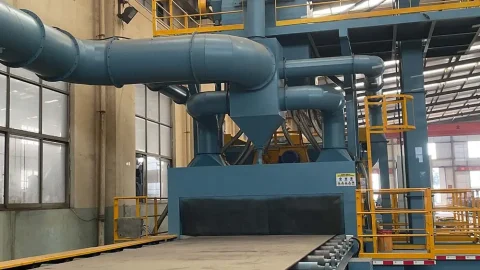
To sustain high throughput, our continuous marine steel preservation lines integrate directly with heavy material handling lines and automated primer coating systems. Fully automated scanning arrays detect workpiece profile variations in real-time, modifying wheel housing heights and abrasive flow parameters before the plates enter the blast chamber at synchronized line speeds. Direct-drive, high-efficiency blast wheels are configured to ensure 100% stable abrasive velocity across complex structural stiffeners, bulb flats, and heavy profiles, removing stubborn mill scale without compromising the dimensional tolerances or flat topography of thin hull plates. By adjusting throwing angles dynamically, the system eliminates traditional blasting blind spots and executes an even surface kinetic stress distribution across complex marine geometries.
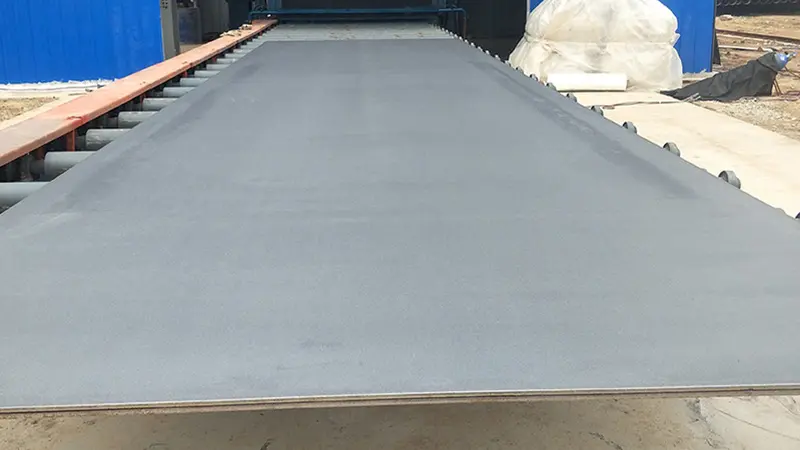
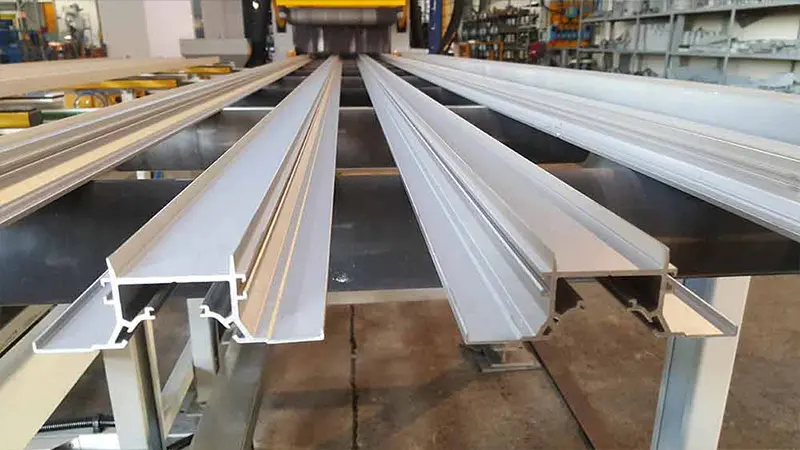
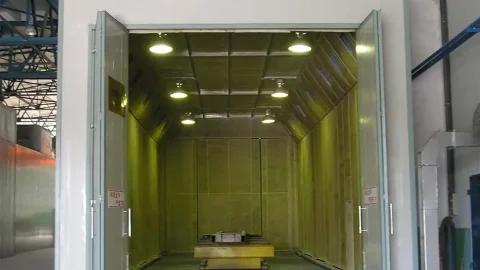
Surface preparation of massive welded ship block sections requires localized flexibility combined with powerful automated recovery to upgrade traditional blast room efficiencies. Utilizing multi-axis robotic blasting manipulators or high-performance manual pneumatic delivery configurations, our enclosed systems overcome the operator fatigue limitations that cause inconsistent anchor depths on internal structural walls. The blasting array maintains precise stand-off distances and calibrated angles, guaranteeing full coverage sealing in deep recesses, welded seams, and ballast tank frames. This highly controlled process achieves strict ISO 8501-1 Sa 2.5/3.0 cleanliness benchmarks and full IMO PSPC compliance, locking the target roughness precisely within Rz 40-75 micrometers specification. This automated environment delivers a pristine metallic substrate for zinc-rich marine primers while heavy-duty extraction permanently maintains strict clean-air containment.
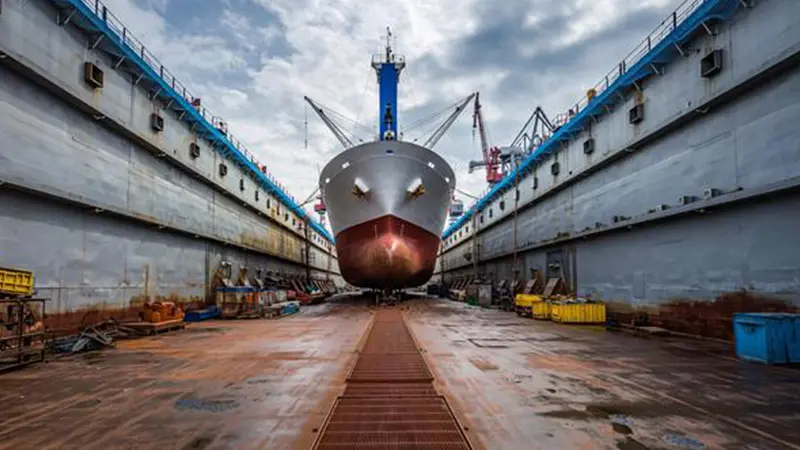
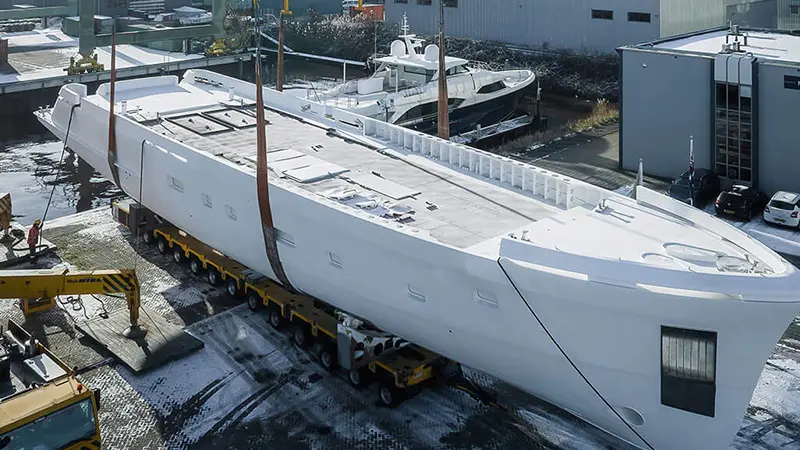
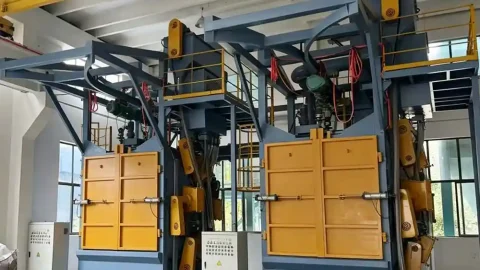
To maintain multi-shift production and continuous wear resistance, the entire blast enclosure framework is built for extreme kinetic endurance and zero abrasive carryover contamination. Heavy-duty, overlapping high-manganese steel armor liners securely fastened from the outside via countersunk locking nuts permanently shield the primary structural frame from catastrophic wear. At the processing exit, a synchronized height-adjustable nylon roller brush and high-pressure linear air-knives mechanically strip residual grit from intricate structural channels. This heavy configuration keeps workshop operations clean and fully compliant with environmental regulations while reducing the maintenance frequency of internal wear components during critical shipyard production schedules.
Multi-angled wheel layouts ensure full abrasive coverage on complex steel margins.
Calibrated kinetic vector balancing permanently prevents thin hull plate warping.
Stable Sa 2.5/3.0 cleanliness delivers the precise anchoring profile for marine primers.
No-mechanical suction corridors prevent conveyor jamming from shipyard heavy slag.
Synchronized high-pressure air knives and roller brushes clean all structural grit.
“HOAMUR configures high-efficiency, automated surface preparation systems tailored for shipyard blocks, hull plates, and marine structures. Fully compliant with IMO PSPC regulations to guarantee optimal coating adhesion and long-term corrosion protection.”
Our engineering team is ready to design the right shot blasting and surface preparation solution tailored to your production needs.