Selecting between wheel blasting and air blasting comes down to three variables: workpiece geometry, daily production volume, and your surface clean-up requirements (such as achieving an SA 2.5 profile).
Both methods clean and profile steel, but their drive mechanisms and operational economics are completely different.
Core Mechanical Differences
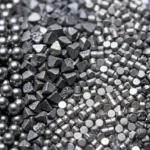
Shot blasting uses motor-driven centrifugal wheels to throw metallic abrasives—typically S230 to S390 steel shot or angular steel grit—at high velocity onto the steel surface.
Power Drive: Electric blast wheel (typically 11kW to 37kW per motor).
Abrasive Handling: Fully closed-loop recycling via bucket elevator, air-wash separator, and storage hopper.
Primary Use: Automated, high-volume inline processing (e.g., roller conveyors for structural steel or tumble belts for small castings).
Sandblasting uses compressed air to feed abrasive through a nozzle. The system relies on constant air volume (CFM) and air pressure (PSI) supplied by a heavy-duty industrial air compressor.
Power Drive: Compressed air supply (requires 100+ CFM per operator nozzle at 90–100 PSI).
Abrasive Handling: Mechanical scraper floor or pneumatic suction system to return spent media to the reclaimer.
Primary Use: Large, complex weldments, internal cavities, and low-volume or custom fabrications.
Equipment Selection Matrix
Throughput Speed
Shot Blasting Machine: High; direct wheel impact handles square meters per minute.
andblasting Room: Moderate; limited by manual nozzle path and operator pacing.
Media Choices
Shot Blasting Machine: Steel Shot, Steel Grit (S110 to S550).
Sandblasting Room: Aluminum Oxide, Garnet, Steel Grit, Glass Beads.
Operator Labor
Shot Blasting Machine: Low; automated loading and wheel control.
Sandblasting Room: High; requires trained operators in full protective gear.
Maintenance Priority
Shot Blasting Machine: Blast wheel impellers, control cages, and side liners.
Sandblasting Room: Nozzle wear, pressure pot valves, and blast hose wear.
Application Scenarios
Choose Shot Blasting when:
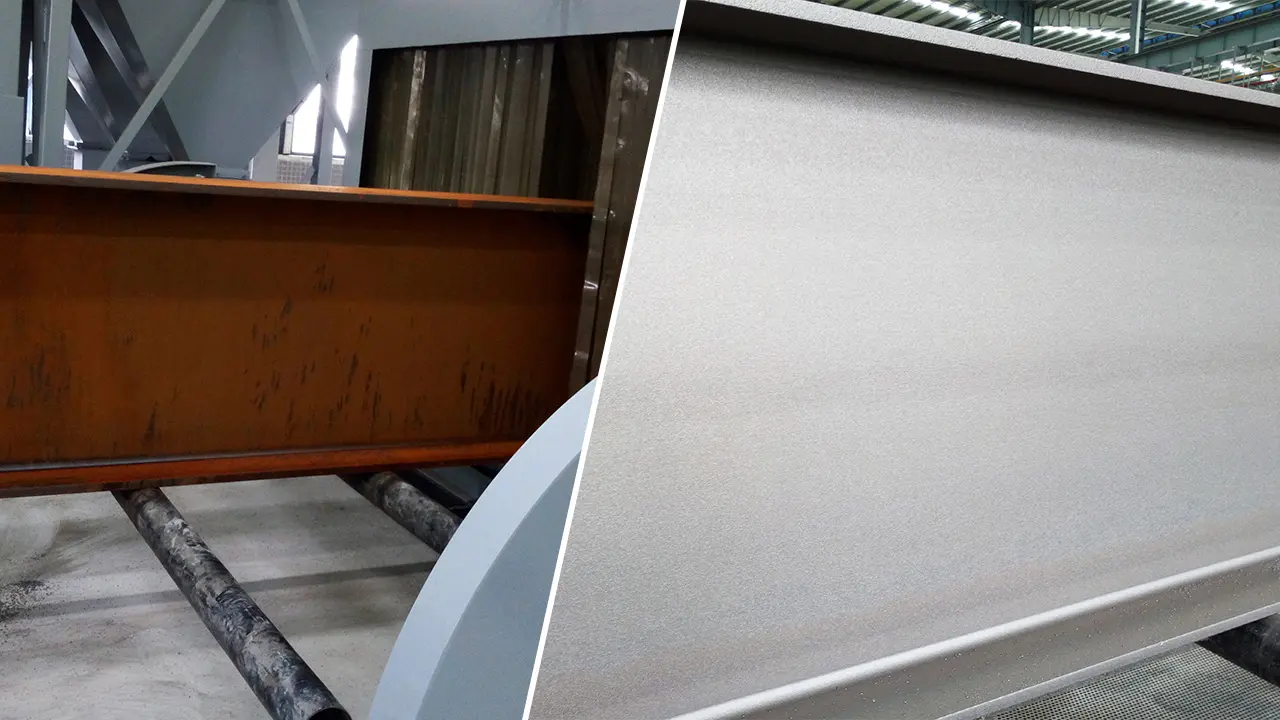
You process standard mill profiles: Running structural H-beams, steel plates, or channels in a continuous line before cutting or welding.
You handle high-volume batch parts: Descaling automotive forgings, castings, or stamped brackets in a rubber tumble belt machine.
You need strict operating cost control: Wheel blasting lowers electrical power consumption per ton of steel cleaned compared to generating high-volume compressed air.
Choose a Sandblasting Room when:
Part geometry prevents wheel line-of-sight: Structural frames with deep recesses, enclosed tanks, or complex pipe manifolds that wheels cannot hit directly.
Surface specifications demand non-ferrous abrasives: Processing stainless steel or aluminum assemblies where steel shot contamination causes galvanic corrosion.
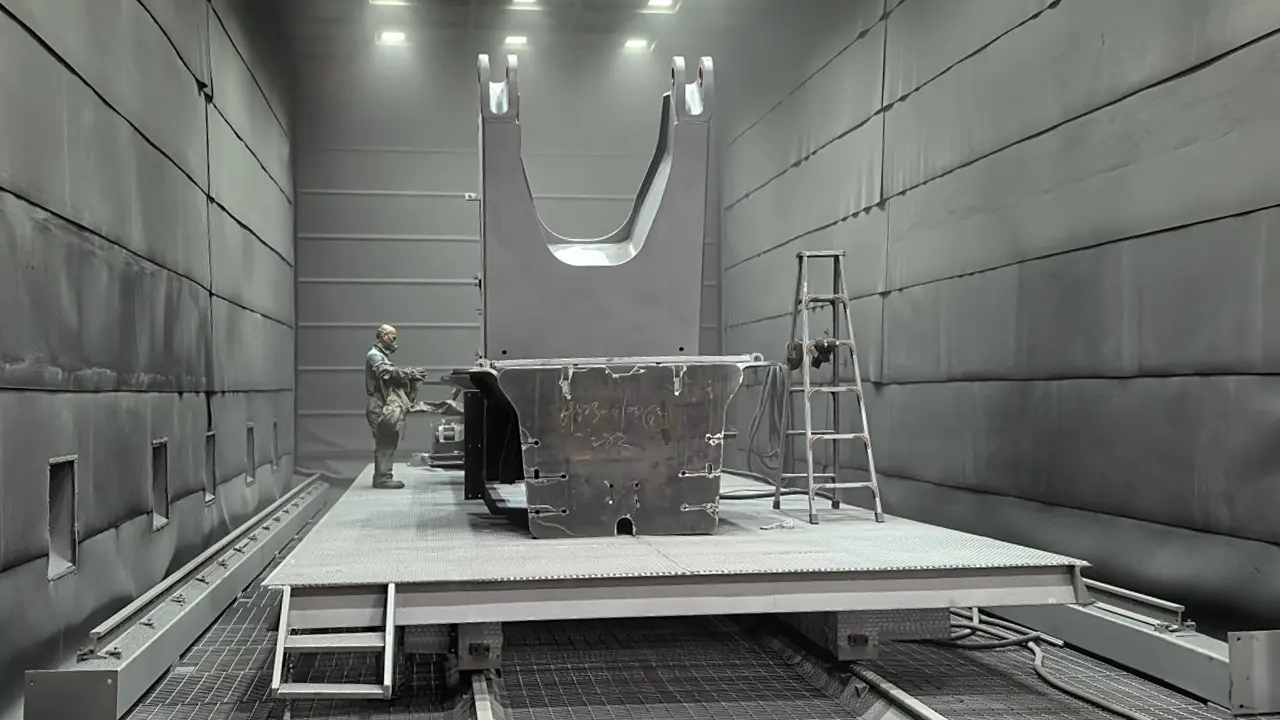
Workpieces exceed standard machine dimensions: Over-sized heavy fabrications (such as pressure vessels or mining frames) requiring crane loading inside a custom booth.
Operating Efficiency Rules
Regardless of the system you select, two site management factors determine machine efficiency and line velocity:
Maintain the Abrasive Working Blend: In shot blasting, an improper mix of coarse and fine shot causes fluctuating surface profiles and slows line speed. Keep your hopper replenished with new abrasive daily.
Dust Collector Differential Pressure: Monitor pressure drop across cartridge filters. Inadequate airflow reduces air-wash separation efficiency, resulting in dirty abrasive returning to the wheels and accelerating component wear.
Consultation with HQAMUR Engineers
HQAMUR manufactures both automated shot blasting machinery and heavy-duty sandblasting booths in our 20,000m² Qingdao facility.
If you need a line review or equipment sizing calculation for your steel fabrication plant, contact our technical team with your workpiece dimensions and daily volume targets.