Main Functions:
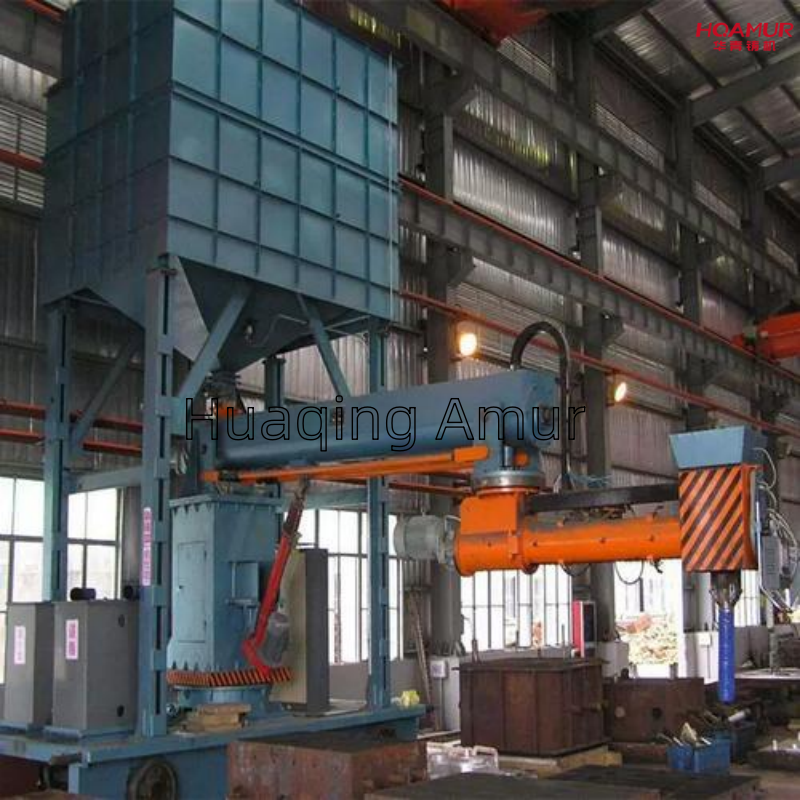
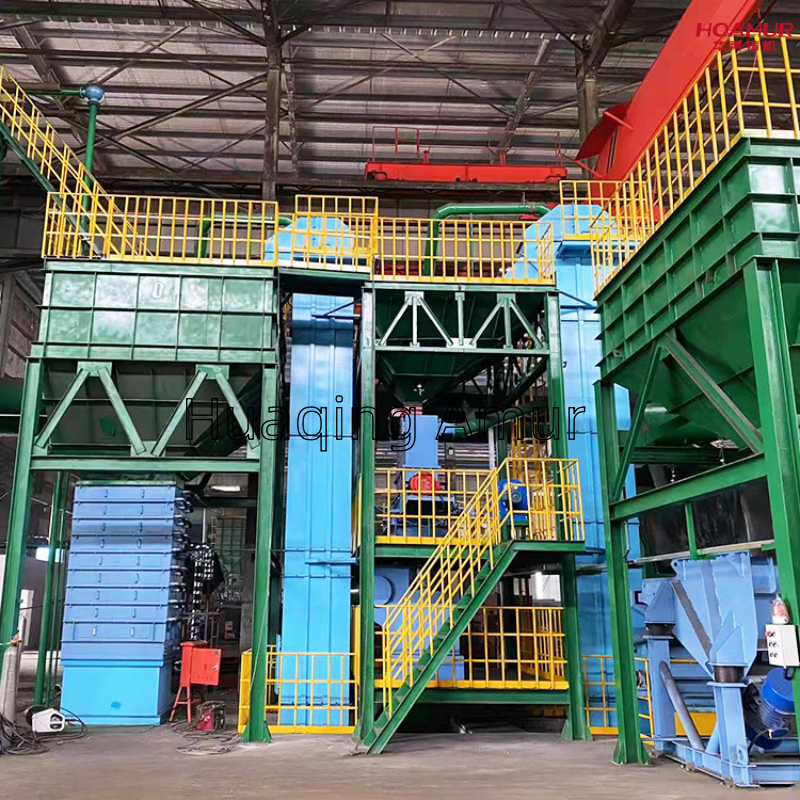
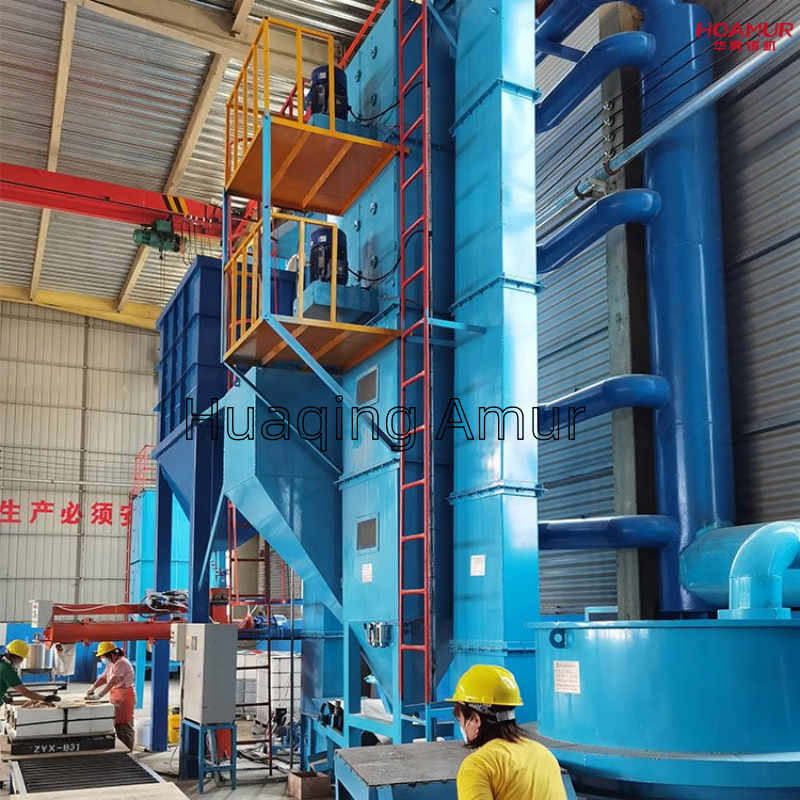
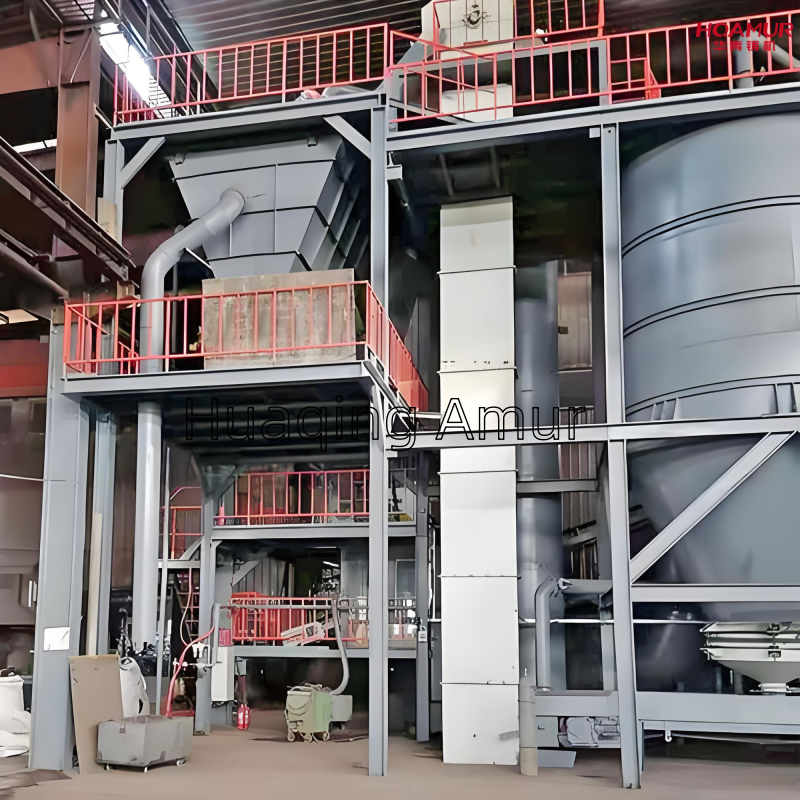
The main function of a resin sand recycling line is to remove the resin film and other impurities from the surface of waste resin sand through a series of process steps, restoring the original properties of the sand particles. This allows the old sand to be reused in the preparation of molding sand, thereby achieving the recycling of sand resources, reducing casting production costs, and reducing environmental pollution.
Process Flow:
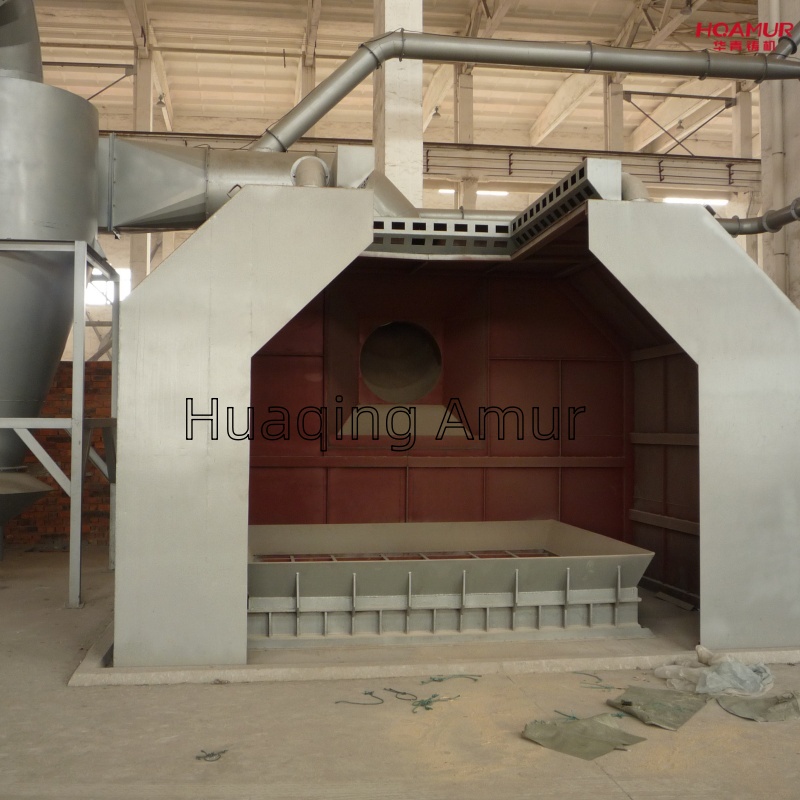
Sand shakeout: After the casting cools, the casting is separated from the molding sand by a sand removal machine, initially loosening the old sand.
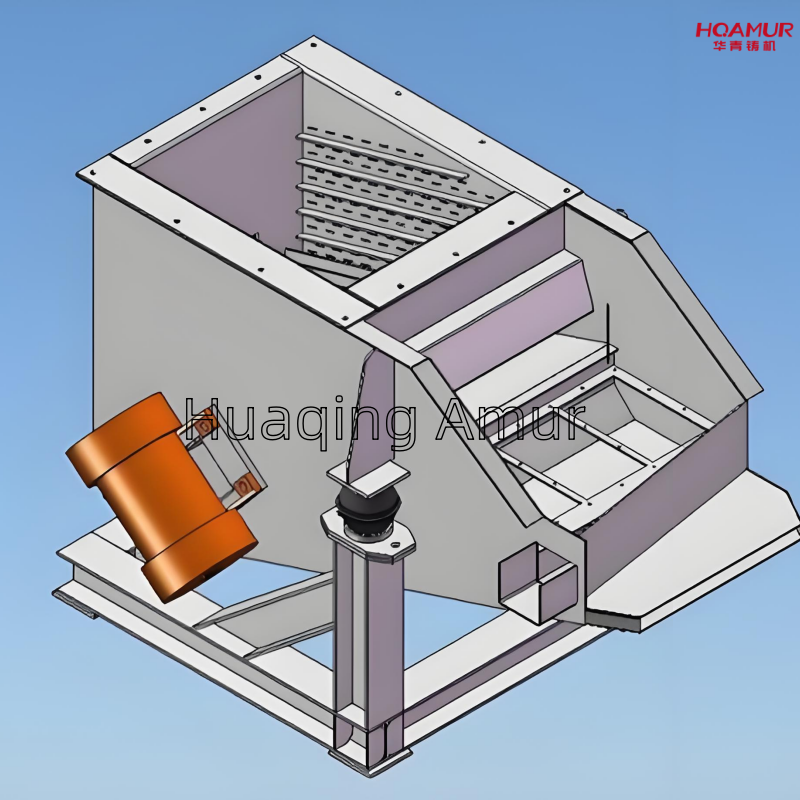
Sand Crushing: Equipment such as a vibrating crusher is used to crush large clumps of old sand into smaller particles, preparing for subsequent recycling.
Recycling Process: This typically includes primary recycling and secondary recycling. Primary regeneration typically uses a vibratory crusher or eddy current regeneration machine for initial desizing; secondary regeneration uses a centrifugal rotor regeneration machine or a high-intensity grinding regeneration machine for deep desizing, removing the residual resin film from the sand particles’ surface.
Magnetic separation: Magnetic separation equipment removes ferromagnetic impurities from the old sand, such as iron filings and nails, ensuring the purity of the regenerated sand.
Air separation: Airflow is used to separate light impurities such as fine powder and resin dust from the regenerated sand, further improving its quality.
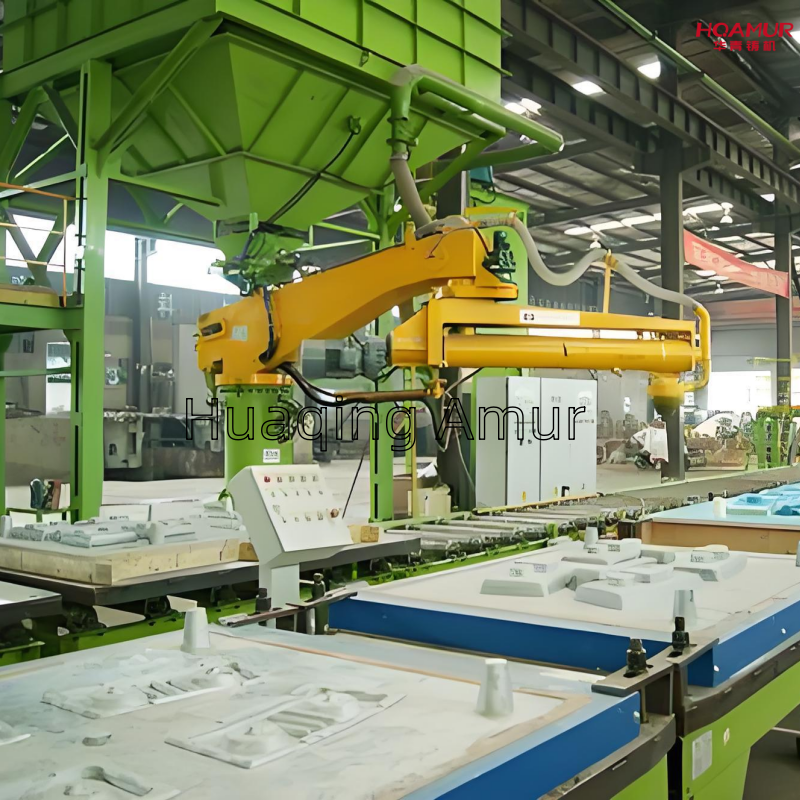
Sand mixing: Regenerated sand is mixed with new sand, binder, curing agent, etc., in a specific ratio to produce molding sand that meets the requirements of the casting process.
Main equipment:
Belt conveyor: Used to transport materials such as new and old sand, featuring large conveying capacity and stable operation. For example, the Y335D belt conveyor has a bandwidth of 500mm, a belt speed of 1m/s, and a parallel conveying capacity of 50m³/h.
Bucket Elevator: Primarily used for vertically lifting bulk materials such as old and new sand. It can be used in conjunction with belt conveyors for a more compact system layout. For example, the Y3715 bucket elevator has a production rate of 3-8 t/h and a motor power of 1.5 kW.
Multi-functional Vibrating Recycler: Such as the S561 multi-functional vibrating recycler, it primarily uses vibration and friction regeneration, integrating sand crushing, screening, and demolding into one unit. The regenerated sand exhibits significantly improved particle size distribution and a more rounded particle shape, with a production rate of 1-3 t/h.
Centrifugal Regeneration: Such as the S522II centrifugal recycler, it employs a dry centrifugal regeneration principle. Through the collision and friction between sand particles and the impeller ring, impeller and casing, and sand particles themselves, the resinous inert film on the surface of the sand particles is removed, with a production rate of 3-5 t/h.
Technical Features
High Automation: Typically controlled by PLC, achieving mechatronics integration, it can automatically complete the operation of each process. It features one-button start/stop, LCD display, and adjustable operating parameters, making it easy to operate and ensuring stable performance.
Reliable Performance: The equipment is technologically advanced and structurally sound, capable of meeting the needs of resin sand production plants (workshops) in the foundry industry with an annual production capacity of 1000-30000 tons.
Flexible Layout: It can be flexibly arranged according to the factory’s site conditions and production process requirements, adapting to different production environments.
Application Scenarios:
Resin sand recycling lines are widely used in various foundry enterprises, especially those using resin sand molding processes, such as foundry workshops in the automotive, machining, and shipbuilding industries. It can effectively reduce production costs and improve economic and environmental benefits.