Working process
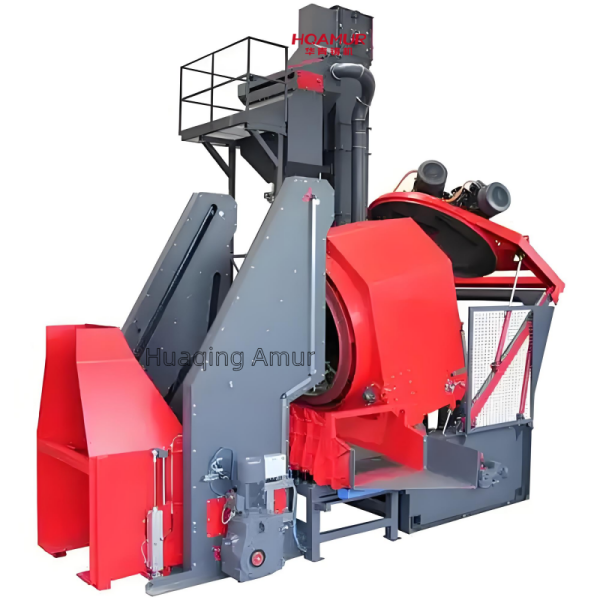
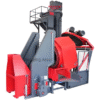
The operational sequence of the inclined drum shot blasting machine revolves around four key stages: ‘conveying – shot blasting – separation – circulation’. The specific principles are as follows:
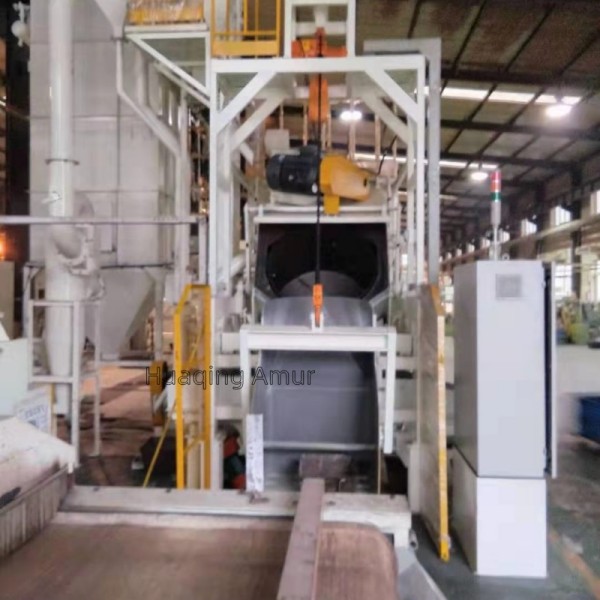
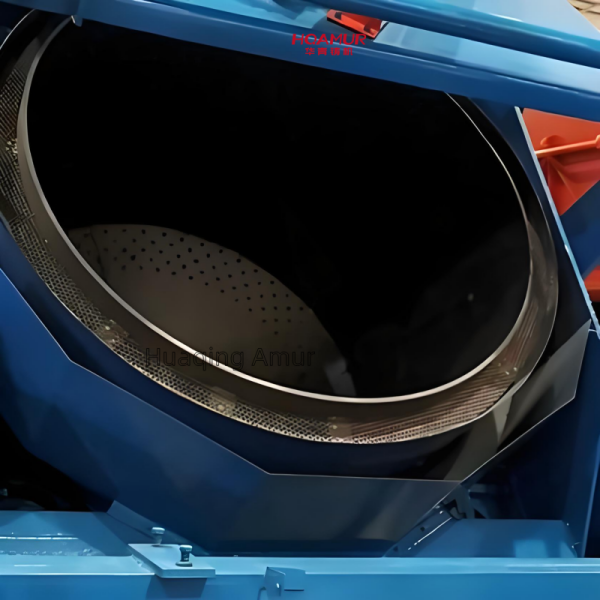
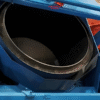
- Workpiece Conveying and Tumbling: The drum is inclined at an angle of 5°-15° relative to the horizontal plane. Driven by an electric motor, it rotates slowly (typically at 5-15 revolutions per minute). As the drum rotates, workpieces are ‘lifted and dropped’, simultaneously moving gradually towards the discharge outlet under the influence of inclined gravity. This ensures each workpiece is uniformly tumbled, preventing localised treatment omissions.
- High-Speed Shot Blasting: One or two shot blasting machines are installed at specific positions within the drum. Rapidly rotating impellers generate a dense ‘stream of shot’ that impacts the surfaces of workpieces inside the drum. This process removes scale, rust, oil contamination, or burrs from the workpiece surfaces while inducing plastic deformation, thereby enhancing surface hardness and fatigue strength.
- Shot and Impurity Separation: The post-shot blasting mixture of ‘shot + impurities + workpieces’ moves through the drum towards the discharge end. A screening device separates coarse impurities, which fall into a waste hopper.
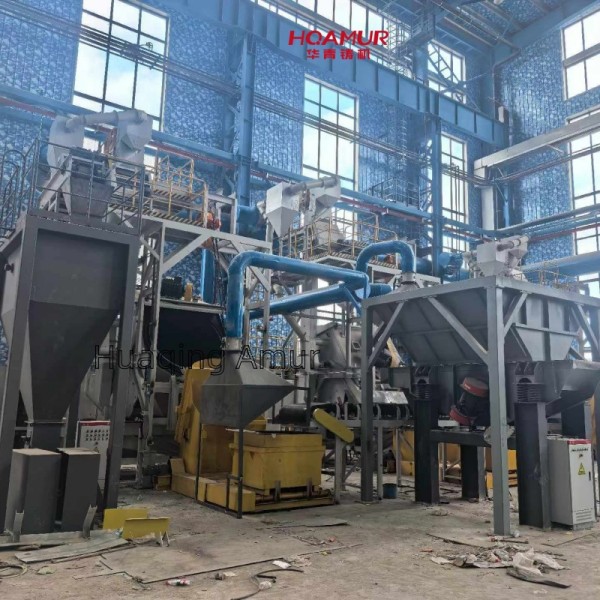
Qualified shot passes through the screen mesh into the shot recirculation system for reuse by the shot blasting machines.
Fine dust particles are carried by airflow into the dust collection system. Clean air is discharged after filtration, while dust accumulates in the dust hopper.
- Workpiece Discharge and Subsequent Processing: Treated workpieces exit via the drum discharge port and may proceed directly to subsequent operations such as painting or assembly.
- Exceptional equipment stability: The drum is fabricated from thick-walled steel plate weldments (or wear-resistant cast iron), with the option to fit wear-resistant liners to the inner walls for extended service life. Wear-prone components such as the shot blasting wheel and directional sleeve are constructed from high-chromium alloy material, offering superior abrasion resistance and extended maintenance intervals.
Core Features and Advantages
- High processing uniformity: The combination of inclined drum rotation and gravity conveying ensures workpieces continuously tumble and reposition within the drum, enabling shot to comprehensively cover all surfaces.
- Wide workpiece adaptability: Capable of processing small to medium-sized workpieces ranging from 5 to 100mm in diameter without requiring complex fixture adjustments for different parts, offering exceptional flexibility.
- High Automation Level: PLC control system enables fully automated ‘feeding – shot blasting – separation – discharge – dust extraction’ processes, reducing labour costs.
- Low Energy and Consumable Costs: Shot recycling rate exceeds 95%; drum speed and blast wheel power adjustable per workpiece requirements; efficient dust extraction filtration.
- Exceptional equipment stability: The drum is fabricated from thick-walled steel plate (or wear-resistant cast iron), with optional wear-resistant lining plates for the inner wall to extend service life. Wear-prone components such as shot blasting wheel impellers and directional sleeves utilise high-chromium alloy materials, offering superior abrasion resistance and extended maintenance intervals.
Application
The inclined drum shot blasting machine, characterised by its ‘batch processing, uniform and efficient’ capabilities, finds extensive application across multiple industrial sectors:
- Automotive components: Processing small-to-medium parts such as bolts, nuts, bearings, gears, and brake pads.
Mechanical manufacturing: Removing scale and moulding sand from castings and forgings to enhance surface finish.
Standard Parts / Fasteners Industry: Batch processing of bolts, screws, washers and other standard components to remove scale after heat treatment and enhance fatigue strength.
Hardware Tools Industry: Treating surfaces of tools such as pliers, spanners, and screwdrivers to remove scale after forging.
Metal Tubing/Wire Industry: Processing cut ends of small tubing (e.g., copper tubing, steel tubing) or wire to eliminate burrs and corrosion, preventing jamming during subsequent processing.
Technical parameters of tilting drum shot blasting machine
| Item / model |
Unit |
QGT700 |
QGT1000 |
QGT1500 |
| Drum size |
|
mm |
φ700×800 |
φ1000×1065 |
①1500×1600 |
| Drum max weight capacity |
|
kg |
60~150kg |
200~400kg |
800~1500kg |
| Productivity |
|
T/h |
0.3-1t |
1~2t |
4~8t |
| Drum rotate speed |
|
r/min |
7.1r/min |
4.2r/min |
3r/min |
| Blast wheel model |
|
1 |
Q036 |
Q037 |
Q038 |
| Abrasive flow rate |
|
kg |
1x120kg |
1x380kg |
1x480kg |
| Machine power |
|
kW |
15kW |
35kW |
50kW |